Discovery · August 18, 2026 · 8 min read
Read the credit report like a closer, not a processor
The report is a conversation map. Utilization, seasoning, inquiries, and derogs tell you what the borrower is afraid you will ask — if you know how to look.
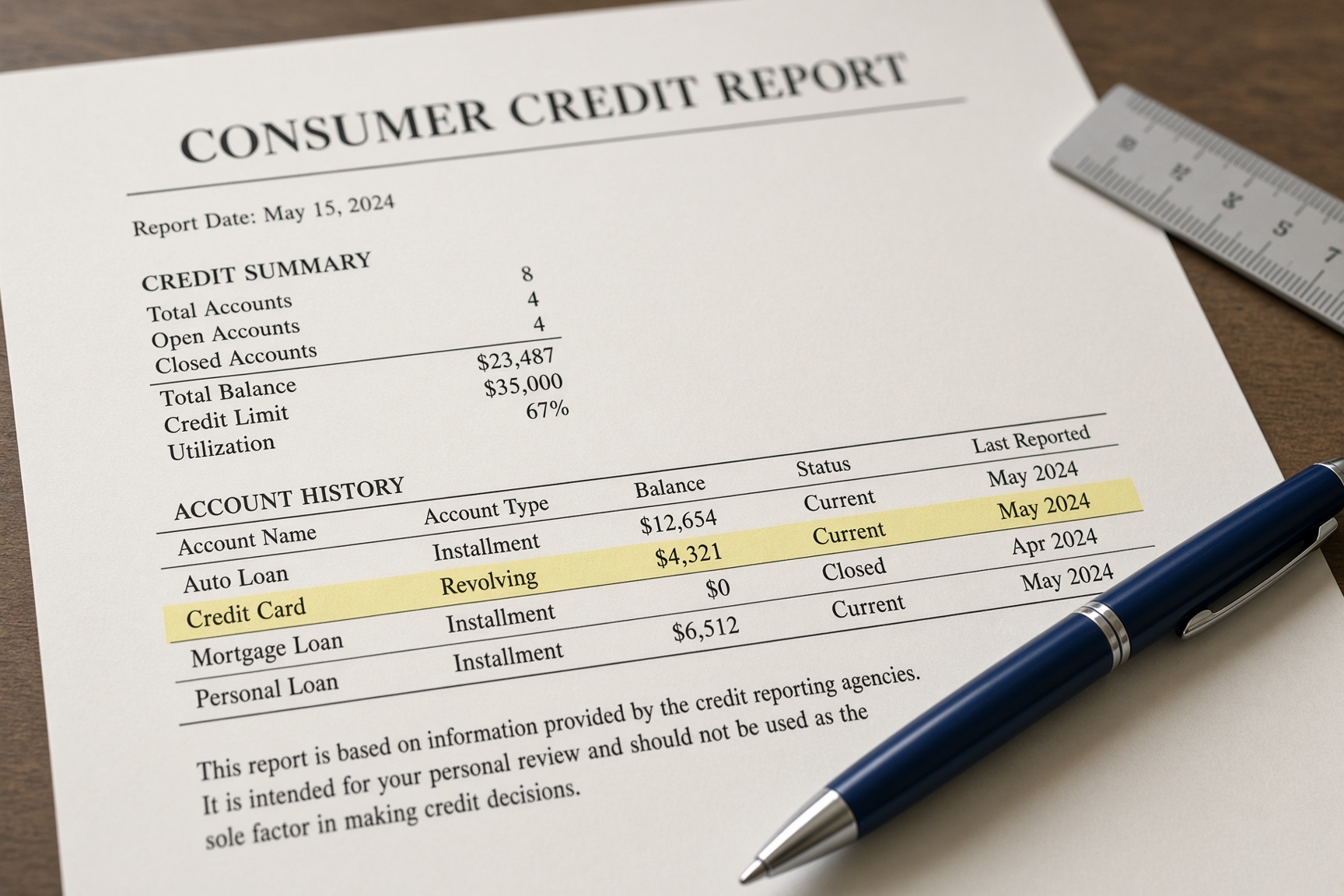
Most consumer-direct loan officers glance at the middle score, check for collections, and move to product. That is processing. Closers read the report as a story of the last seven years of this household’s money — and they use that story on the phone before they ever quote a rate.
Start with the timeline, not the score
A 640 with a 2022 charge-off is a different conversation than a 640 with three open collections from last quarter. Seasoning tells you whether the pain is old and explained or still in the house. Ask what happened in the month of the derog. People will tell you. Comparison sites never do.
- Circle every derog in the last 24 months. Those are live objections, not history.
- Note utilization over 50% on revolving lines. That is a structure conversation (and often a reason they are shopping).
- Count inquiries in 90 days. Shopping pain is already in the file — name it, don’t compete with it.
- Look at the oldest tradeline. Thin files need a different open than bruised files.
Turn findings into a value-first open
Do not call to “see if they want to lock.” Call with one observation. “I pulled this before I rang you. Your revolving utilization is sitting at 67%, which is doing more work on the score than the 2019 medical collection. If we address that first, the pricing conversation changes.” That sentence earns five minutes. A teaser rate earns a click-away.
The borrower already has three quotes. They do not have anyone who has actually read the file.
Pain is the path to a complete application
Credit analysis is how you uncover the real reason the last loan died: a spouse who was not on the phone, a job gap, a judgment they hoped nobody would see. Ask the question the report tees up. Then sit in the silence. Closers do not rescue the borrower from the answer.
When you leave the call, write the finding in the file. The follow-up cadence in our playbook is built on having something specific to bring back — not “just checking in.”